polyurethane foam injection vs mudjacking dallas fort worth - poly foam injection vs mud jacking dallas fort worth - foam injection vs mudjacking dallas fort worth

How Concrete Leveling and Mudjacking Restore Sunken Sidewalks in Dallas, TX

When you walk around your property in Dallas, TX, noticing a sudden trip hazard on your walkway or sidewalk can be deeply frustrating. Sunken concrete not only ruins your home’s curb appeal, but it also creates dangerous liability issues for family members, guests, and postal carriers. Property owners frequently search for reliable ways to fix uneven walks, leading them to investigate traditional mudjacking as well as advanced modern alternatives. Understanding how these repair methods restore structural integrity is vital for maintaining safe, beautiful outdoor spaces across Dallas, TX and neighboring communities like Garland, TX, Fort Worth, TX, Royse City, TX, and Ennis, TX.

Subsurface soil shifts, moisture fluctuations, and heavy rains common to North Texas frequently wash away supportive dirt underneath exterior slabs. As the sub-base erodes, sidewalks, steps, and paths sink unevenly into the earth. When faced with this issue, many homeowners look into Polyurethane Foam vs Mudjacking to determine which technique offers the most durable, long-lasting fix for their sunken concrete slabs without breaking the bank.

The Core Problem: Why Sidewalks and Walkways Sink

The clay-heavy soils found throughout Dallas, TX and Fort Worth, TX are notorious for shrinking during hot, dry summer months and expanding aggressively after heavy rainstorms. This constant cycle of contraction and expansion places immense pressure on concrete walkways. Over time, water seeps through expansion joints or hairline cracks, washing away the compacted sub-grade and creating underground voids.

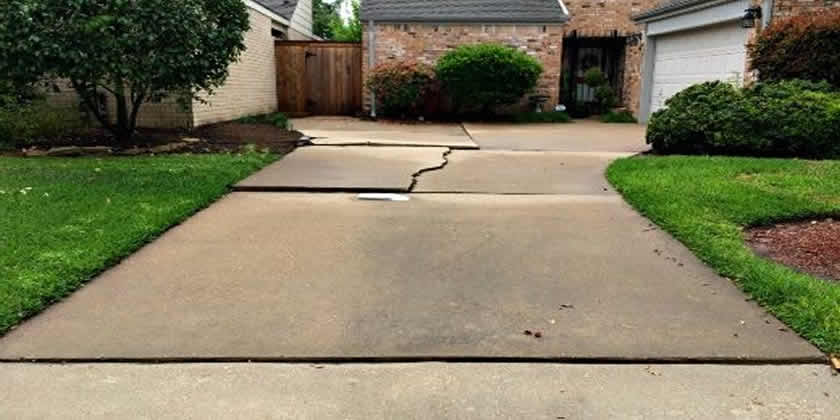
When a void forms underneath a sidewalk panel, the heavy concrete weight has no support. The slab cracks, dips, or completely drops on one side. While homeowners often worry that a sunken sidewalk means a messy, expensive full-scale replacement project, modern repair solutions make it possible to lift and stabilize existing concrete in a matter of hours. In fact, many property owners also need assistance with other outdoor areas, such as Driveway Concrete Leveling & Raising, where similar soil washout issues frequently occur.

Understanding Traditional Mudjacking vs. Polyurethane Foam Injection

Historically, property owners relied exclusively on traditional mudjacking to pump a heavy slurry mixture of mud, sand, and cement beneath sunken slabs. While this method successfully raised concrete, it came with significant drawbacks. The heavy slurry added substantial weight to already unstable soil, often leading to secondary settlement over time. Furthermore, traditional mudjacking required large drill holes, disruptive equipment, and lengthy curing times.

Today, advanced techniques utilize high-density expanding polymers. To learn more about how industry materials stack up, review this guide on Poly foam concrete raising & concrete leveling. Polyurethane foam injection has completely transformed concrete lifting by offering a lightweight, waterproof, and extremely precise solution. Instead of heavy mud, a high-density structural foam is injected through penny-sized holes. The material expands rapidly, filling all underlying voids, compacting the surrounding soil, and gently raising the concrete back to its original grade.

The Step-by-Step Polyurethane Foam Injection Process

Choosing polyurethane foam injection over traditional methods provides homeowners in Garland, TX and Dallas, TX with a swift, clean, and highly effective restoration process. Here is what you can expect when professionals arrive to fix a sunken walkway:

  • Precision Assessment: Technicians inspect the sunken sidewalk, evaluating the depth of the drop, drainage patterns, and underlying soil conditions.
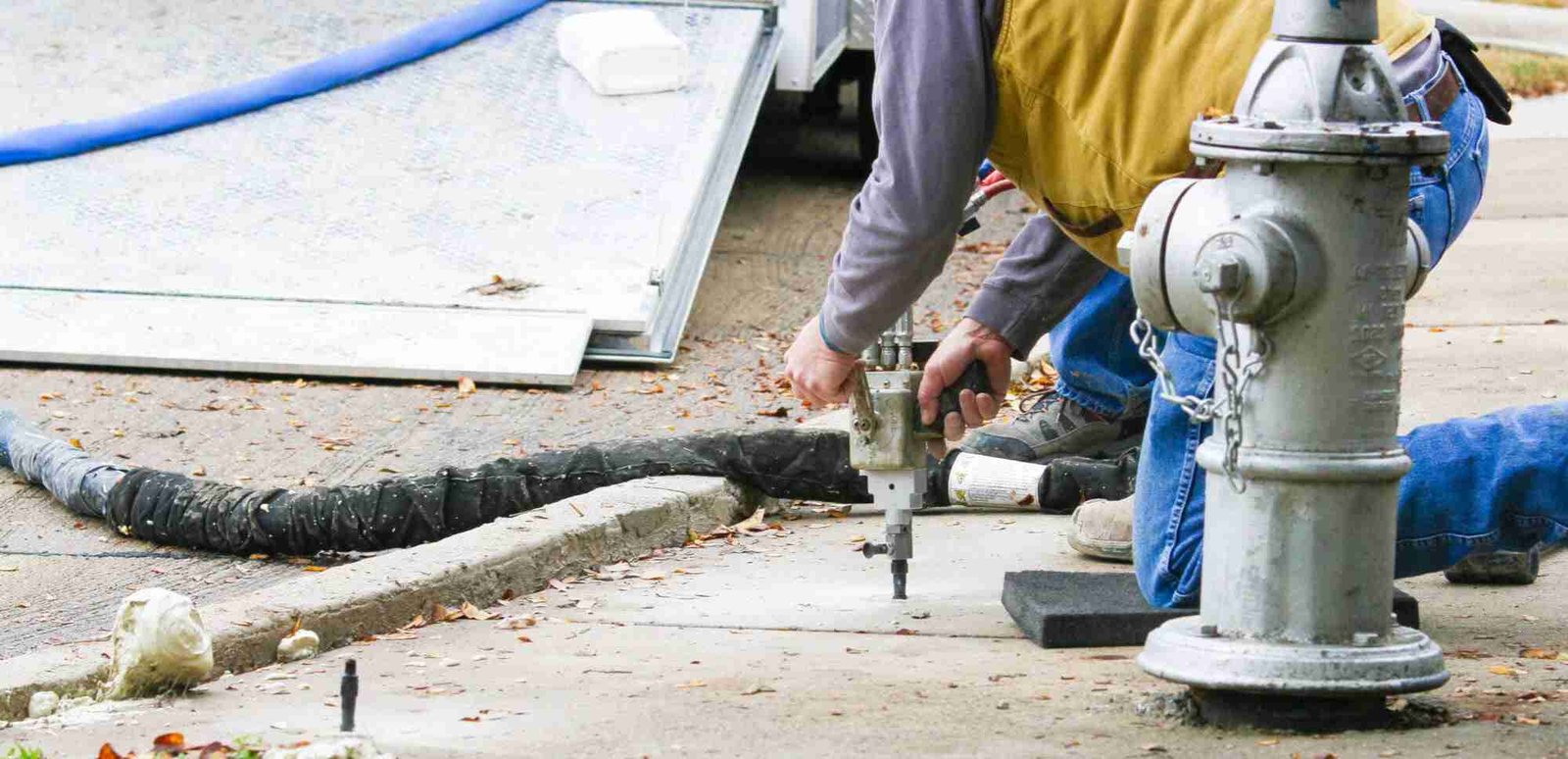
  • Strategic Hole Drilling: Small, penny-sized holes (typically 5/8 inch) are carefully drilled through the sunken concrete sidewalk panels.
  • Injection Application: Specialized delivery equipment pumps custom-formulated expanding polymer beneath the slab.
  • Expansion and Lifting: The two-part liquid polymer expands exponentially within seconds, safely lifting the concrete to its precise alignment.
  • –Clean-Up and Sealing: The injection ports are patched with high-grade concrete mortar, leaving the surface smooth, clean, and ready for immediate foot traffic.

Why Modern Foam Injection Outperforms Older Methods

Property owners throughout Fort Worth, TX and Royse City, TX often wonder why polyurethane foam has largely replaced older repair techniques. The advantages are clear and numerous:

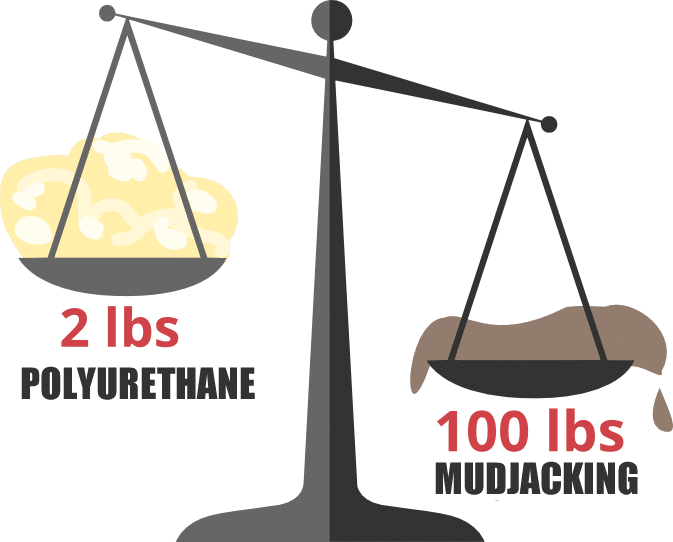
First, polyurethane foam is remarkably lightweight. Unlike mud slurry, which can weigh over 100 pounds per cubic foot, structural foam typically weighs only about 2 to 4 pounds per cubic foot. This means it adds virtually zero weight to compromised sub-grades, preventing the soil compaction and secondary sinking associated with traditional mudjacking.

Second, polyurethane foam is completely moisture-resistant. Once cured, it will not wash out, degrade, or absorb water from surrounding wet clay soils. This creates a permanent, waterproof sub-base that locks out future erosion. Additionally, the material expands with pinpoint accuracy, allowing technicians to control the lift down to 1/16 of an inch.

Finally, downtime is virtually non-existent. While traditional concrete replacement can take days to cure—leaving your walkways blocked off and unusable—foam injection cures fully within 15 minutes of application. You can walk, run, or roll strollers across your restored sidewalk the very same day the work is completed.

Addressing Commercial and Residential Slabs in Ennis, TX and Beyond

Sunken concrete is not limited to residential sidewalks and front walkways. Commercial properties, multi-family complexes, and municipal parks in Ennis, TX and surrounding regions frequently deal with shifting concrete slabs as well. Uneven pavement in high-traffic commercial zones creates severe slip-and-fall hazards, exposing business owners to costly liability claims.

FoamWorks Concrete Leveling Dallas specializes in lifting and leveling all types of concrete on grade, including warehouse floors, loading docks, patios, pool decks, and driveways. By choosing targeted polyurethane foam lifting instead of tearing out and pouring new concrete, property owners can save up to 80% on total project costs while avoiding weeks of disruptive demolition noise, dust, and landscape damage.

Preventing Future Concrete Settlement

Once your sidewalks and concrete surfaces have been expertly leveled and stabilized, taking a few proactive steps can help protect your investment for years to come. Proper water management is essential. Ensure that your roof downspouts direct rainwater at least several feet away from your foundation and walkways. Keep expansion joints and minor cracks sealed with a flexible, high-quality exterior caulk to prevent surface water from penetrating the sub-base and washing away the compacted soil.

If you notice any new pooling of water or subtle settling near your walkways, addressing the issue early with professional foam injection can stop minor shifting from turning into a major structural headache.

Restore Your Concrete Today with FoamWorks Concrete Leveling Dallas

If uneven walkways, sunken sidewalks, or sagging driveways are creating safety hazards and detracting from the beauty of your property, you do not have to live with the risk. FoamWorks Concrete Leveling Dallas delivers fast, affordable, and permanent concrete lifting solutions tailored to the unique soil conditions of North Texas. Serving homeowners and businesses across Dallas, Fort Worth, Garland, Royse City, Ennis, and surrounding areas, our expert team is ready to revitalize your sunken slabs for a fraction of the cost of replacement. Contact FoamWorks Concrete Leveling Dallas today to schedule your consultation and get your concrete back on solid ground!
Concrete Leveling Dallas - Concrete Raising Dallas - Concrete Lifting Dallas - FoamWorks Dallas Fort Worth

Polyurethane vs. Mudjacking: Which Concrete Leveling Method is Best for Your Dallas Property?

Polyurethane vs. Mudjacking: Which Concrete Leveling Method is Best for Your Dallas Property?

When your concrete slabs in Dallas start to sink, crack, or become uneven, you’re faced with a choice: replacement or repair. For repair, the two most common methods for concrete leveling are polyurethane foam injection and traditional mudjacking. While both aim to raise and stabilize settled concrete, polyurethane foam injection is generally considered the superior, more modern, and longer-lasting solution for Dallas homeowners and businesses due to its lightweight nature, smaller injection holes, and greater durability, especially when compared to the older, more invasive mudjacking technique.

Living in Dallas, you’ve likely seen concrete issues firsthand. From driveways to patios, and even commercial slabs, settling concrete isn’t just an eyesore; it can be a tripping hazard and lead to further structural problems. Understanding the differences between these two primary concrete raising methods is crucial for making an informed decision for your property.

What is Mudjacking?

Mudjacking, also known as slabjacking or concrete jacking, is a long-standing method for raising settled concrete. The process involves drilling several 1-inch to 2-inch holes through the sunken concrete slab. A slurry mixture, typically composed of water, soil, cement, and other additives, is then pumped under high pressure through these holes. This slurry fills any voids beneath the slab and, as more material is pumped, creates hydraulic pressure that lifts the concrete back to its original level.

Pros of Mudjacking:

  • Established Method: It’s been around for decades, so many contractors are familiar with it.
  • Material Cost: The materials used in the slurry can sometimes be less expensive than polyurethane foam, though this doesn’t always translate to a lower overall project cost due to labor and equipment.

Cons of Mudjacking:

  • Heavy Load: The slurry is very heavy, adding significant weight to the soil beneath the slab. If the original soil couldn’t support the concrete, adding more weight can lead to future settlement.
  • Large Holes: The large injection holes (1-2 inches in diameter) are more noticeable and can compromise the aesthetic of the concrete surface.
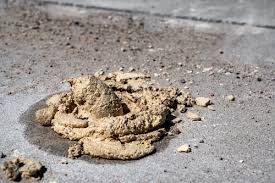
  • Messy Process: The slurry can be messy to work with, potentially spilling onto surrounding areas.
  • Curing Time: Mudjacking slurry typically requires a longer curing time before the concrete can bear full weight, sometimes up to a few days.
  • Limited Application: It’s not ideal for all types of concrete issues or soil conditions, especially in areas prone to moisture.
  • Less Durable: The material can erode over time, especially with water exposure, leading to future settlement.

What is Polyurethane Foam Concrete Leveling?

Polyurethane foam injection is a state-of-the-art method that has revolutionized concrete raising. This process involves drilling much smaller, penny-sized holes (typically 5/8-inch) into the sunken concrete. A high-density, expanding polyurethane foam is then injected through these holes. The foam rapidly expands and hardens, filling voids, compacting the soil, and gently lifting the concrete slab to its desired position. This method is what FoamWorks Concrete Leveling Dallas specializes in, offering a modern, efficient, and durable solution for concrete problems across the Dallas area.

To learn more about this innovative process and its benefits, check out What is Concrete Raising & Why Use It.

Pros of Polyurethane Foam Injection:

  • Lightweight: The expanding foam is incredibly lightweight, adding minimal burden to the underlying soil. This significantly reduces the risk of future settlement caused by added weight.
  • Small Injection Holes: The tiny, nearly invisible injection holes (about the size of a penny) are far less noticeable than mudjacking holes, preserving the appearance of your concrete.
  • Fast Curing Time: Polyurethane foam cures rapidly, often allowing the concrete to be used within minutes to hours after the repair is complete. This means minimal disruption to your daily routine in Dallas.
  • Water Resistant: The foam is hydrophobic, meaning it repels water. This makes it an excellent choice for areas prone to moisture, as it won’t wash away or erode like mudjacking slurry. It also helps stabilize the sub-base and can fill voids that might otherwise collect water.
  • Strong and Durable: Once cured, the foam is incredibly strong and provides a stable, long-lasting foundation for your concrete slab. You can read more about the materials used in Poly foam concrete raising & concrete leveling.
  • Versatile Application: Polyurethane foam can be used for a wide range of applications, from residential sidewalks and driveways to large commercial slabs, warehouse floors, and even seawall stabilization.
  • Environmentally Friendly: Many polyurethane foams are made from recycled materials and are inert once cured, posing no threat to the environment.
  • Precision Lifting: The controlled expansion of the foam allows for highly precise lifting, ensuring the slab is raised evenly and accurately.

Cons of Polyurethane Foam Injection:

  • Cost: The material cost for polyurethane foam can be higher than mudjacking slurry. However, this is often offset by reduced labor, faster project completion, and the long-term durability, making it a more cost-effective solution in the long run.
  • Specialized Equipment: Requires specialized equipment and trained technicians, like those at FoamWorks Concrete Leveling Dallas, to ensure proper application.

Polyurethane Foam vs Mudjacking: A Direct Comparison for Dallas Properties

When evaluating Polyurethane Foam vs Mudjacking for your Dallas property, consider these key differences:

  • Hole Size: Polyurethane uses small, dime-sized holes (5/8-inch); Mudjacking uses large, golf ball-sized holes (1-2 inches).
  • Weight: Polyurethane foam is lightweight (2-4 lbs per cubic foot); Mudjacking slurry is heavy (100-120 lbs per cubic foot).
  • Curing Time: Polyurethane cures in minutes to hours; Mudjacking cures in 1-3 days.
  • Durability: Polyurethane is water-resistant and long-lasting; Mudjacking slurry can erode over time.
  • Precision: Polyurethane offers precise, controlled lifting; Mudjacking can be less predictable.
  • Mess: Polyurethane is a cleaner process; Mudjacking can be quite messy.
  • Cost-Effectiveness: While initial material cost might be higher for foam, its longevity, minimal disruption, and reduced risk of re-settlement often make it significantly more affordable than concrete replacement and a better long-term investment than mudjacking.

For most concrete leveling needs in Dallas, polyurethane foam injection offers a superior combination of efficiency, durability, and aesthetic appeal. It addresses the root cause of settlement without adding excessive weight, ensuring a stable and lasting repair.

Why Choose Polyurethane Foam for Your Dallas Concrete?

Dallas’s expansive clay soils are notorious for causing concrete settlement due to their tendency to swell when wet and shrink when dry. This constant movement creates voids beneath slabs. Polyurethane foam not only fills these voids but also compacts the loose soil, creating a more stable base. Its hydrophobic properties are particularly beneficial in our climate, preventing water from undermining the repair.

Whether it’s a sunken driveway, an uneven patio, or a rocking commercial slab, FoamWorks Concrete Leveling Dallas provides expert polyurethane foam injection services designed to withstand the unique challenges of our local environment.

Frequently Asked Questions About Concrete Leveling in Dallas

How long does polyurethane concrete leveling last?

When properly applied, polyurethane concrete leveling is a permanent solution. The foam is inert, won’t degrade, and is resistant to water, meaning it can last for decades, often for the lifetime of the concrete slab itself.

Is polyurethane foam safe for the environment?

Yes, the polyurethane foam used by reputable companies like FoamWorks is environmentally inert once cured. It doesn’t leach chemicals into the soil or groundwater, making it a safe choice for your property and the Dallas ecosystem.

Can polyurethane foam be used for all types of concrete?

Polyurethane foam is incredibly versatile and can be used to raise and stabilize almost any type of sunken concrete slab on grade, including sidewalks, driveways, patios, pool decks, garage floors, and even interior commercial slabs and foundations.

How much does concrete leveling cost in Dallas?

The cost of concrete leveling varies depending on the size of the area, the extent of the settlement, and the specific method used. While we can’t give exact figures without an inspection, polyurethane foam injection is typically a fraction of the cost of replacing concrete and a highly cost-effective long-term solution compared to mudjacking’s potential for future re-settlement.

How quickly can I use my concrete after polyurethane leveling?

One of the biggest advantages of polyurethane foam is its rapid cure time. Most residential slabs can be walked on immediately and driven on within 15-60 minutes after the repair is completed, minimizing disruption to your Dallas home or business.

Ready to Level Your Dallas Concrete?

Don’t let sunken concrete detract from your property’s value or create safety hazards. When considering polyurethane concrete leveling vs mudjacking in Dallas, the choice for a durable, efficient, and less invasive repair is clear. FoamWorks Concrete Leveling Dallas is your local expert, providing top-tier polyurethane foam injection services to restore your concrete surfaces quickly and effectively. Contact us today for a free consultation and see how we can help you achieve perfectly level concrete!

uneven driveway

Polyurethane vs. Mudjacking

POLYURETHANE CONCRETE RAISING TECHNIQUE

Our concrete repair plan includes the controlled lift of individual slabs of concrete to realign and level the slabs. (Concrete Leveling) We achieve a precise result by applying expansive polymer foam just beneath the surface of the slab. This process eliminates the failing condition as well as seals and stabilizes all defective joints and sources of water penetration from further erosion. The variety of soils and substrates across the Front Range are often the root of the problem. Liftech’s concrete repair system treats the soils and addresses the water and erosion issues. The average life cycle of concrete is extended at a fraction of the cost of replacement.

Until recently, mudjacking has been the method more commonly used for lifting fallen concrete and is still a widely acceptable form of restoration. Mudjacking and polyurethane achieve similar results, however, the process by which those results are achieved and the extended performance of the two products are completely different.

Polyurethane Benefits

  • Long-Lasting | Polyurethane cures as a solid, impermeable structure that adheres to the concrete and is not susceptible to fracture or failure.
  • Soil Stabilization | Polyurethane is injected as a liquid to raise concrete and reacts within the loosely, non-compacted soils to solidify and stabilize the soils.
  • Less Invasive | Liftech uses controlled injections in penny-sized holes to raise your concrete quickly and effectively
  • Lightweight | Polyurethane weighs about two pounds per cubic ft. which is ideal for concrete leveling
  • Fast Acting | Polyurethane cures within minutes and your concrete is ready to use again once we leave the job site.
  • Defend Against Natural Erosion | Our environmentally friendly solution creates an eco-barrier to moisture, harmful chemicals, insects, rodents, and soil erosion.

WHAT IS MUDJACKING?

| Answer | Mudjacking uses a mixture of sand and water infused with a small amount of Portland cement, which helps the material solidify.  The sand and water mixture is pumped through 1 – 5\8″ holes in the concrete using hydraulic pressure to lift the sunken concrete.  This concrete mixture is considered a structural fill and is very heavy, weighing an average of 100 – 110 pounds per cubic foot of material.

Benefits of Polyurethane Concrete Raising Vs Mudjacking

| Answer | Polyurethane concrete raising consists of an environmentally safe liquid polymer foam that is injected through penny-size holes in the concrete and into the loose, unstable soil below.  Through an eco-friendly chemical reaction, the high-density foam expands to stabilize the loose soils and lift the fallen concrete.  After approximately 15 minutes, the polyurethane material is fully cured and ready to return to service.  the polyurethane only weighs about 2 pounds per cubic foot of material.  Polyurethane foam is an inert, non-toxic, environmentally safe material.  It is impervious to moisture or decay, ensuring that over time, it will not only be environmentally friendly, but your concrete repair will last a lifetime.  Liftech’s polyurethane system utilizes a much smaller, 5/8 inch hole (about the size of a penny).  Following the repair, those holes are filled with chemical grouting that matches the surrounding concrete.

There are other ways to repair concrete, you can learn about them on our services page.


polyurethanefoaminjection_2

weight