
Polyurethane vs. Mudjacking: Which Concrete Leveling Method is Best for Your Dallas Property?
When your concrete slabs in Dallas start to sink, crack, or become uneven, you’re faced with a choice: replacement or repair. For repair, the two most common methods for concrete leveling are polyurethane foam injection and traditional mudjacking. While both aim to raise and stabilize settled concrete, polyurethane foam injection is generally considered the superior, more modern, and longer-lasting solution for Dallas homeowners and businesses due to its lightweight nature, smaller injection holes, and greater durability, especially when compared to the older, more invasive mudjacking technique.
Living in Dallas, you’ve likely seen concrete issues firsthand. From driveways to patios, and even commercial slabs, settling concrete isn’t just an eyesore; it can be a tripping hazard and lead to further structural problems. Understanding the differences between these two primary concrete raising methods is crucial for making an informed decision for your property.
What is Mudjacking?
Mudjacking, also known as slabjacking or concrete jacking, is a long-standing method for raising settled concrete. The process involves drilling several 1-inch to 2-inch holes through the sunken concrete slab. A slurry mixture, typically composed of water, soil, cement, and other additives, is then pumped under high pressure through these holes. This slurry fills any voids beneath the slab and, as more material is pumped, creates hydraulic pressure that lifts the concrete back to its original level.
Pros of Mudjacking:
- Established Method: It’s been around for decades, so many contractors are familiar with it.
- Material Cost: The materials used in the slurry can sometimes be less expensive than polyurethane foam, though this doesn’t always translate to a lower overall project cost due to labor and equipment.
Cons of Mudjacking:
- Heavy Load: The slurry is very heavy, adding significant weight to the soil beneath the slab. If the original soil couldn’t support the concrete, adding more weight can lead to future settlement.
- Large Holes: The large injection holes (1-2 inches in diameter) are more noticeable and can compromise the aesthetic of the concrete surface.
- Messy Process: The slurry can be messy to work with, potentially spilling onto surrounding areas.
- Curing Time: Mudjacking slurry typically requires a longer curing time before the concrete can bear full weight, sometimes up to a few days.
- Limited Application: It’s not ideal for all types of concrete issues or soil conditions, especially in areas prone to moisture.
- Less Durable: The material can erode over time, especially with water exposure, leading to future settlement.
What is Polyurethane Foam Concrete Leveling?
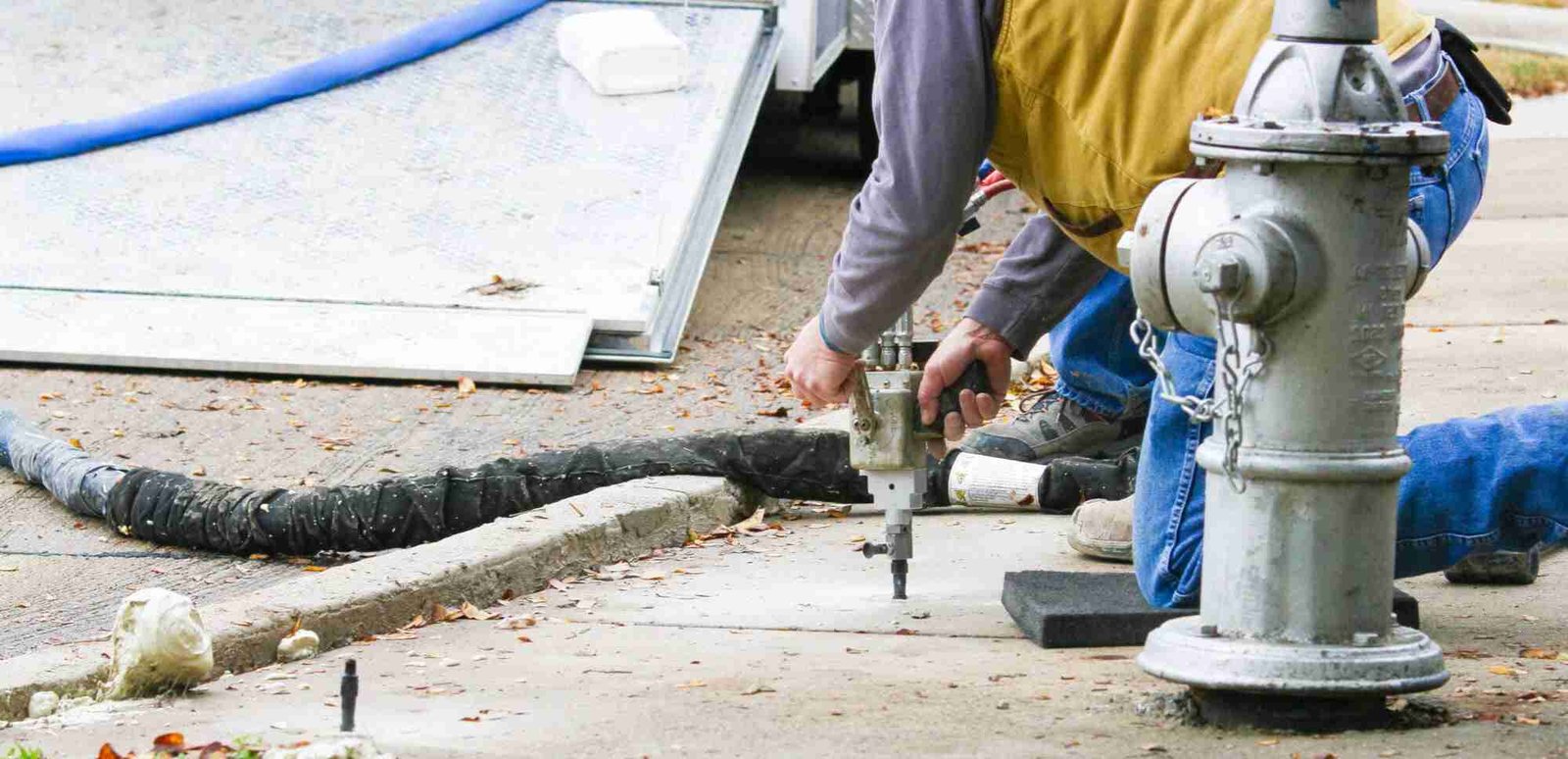
Polyurethane foam injection is a state-of-the-art method that has revolutionized concrete raising. This process involves drilling much smaller, penny-sized holes (typically 5/8-inch) into the sunken concrete. A high-density, expanding polyurethane foam is then injected through these holes. The foam rapidly expands and hardens, filling voids, compacting the soil, and gently lifting the concrete slab to its desired position. This method is what FoamWorks Concrete Leveling Dallas specializes in, offering a modern, efficient, and durable solution for concrete problems across the Dallas area.
To learn more about this innovative process and its benefits, check out What is Concrete Raising & Why Use It.
Pros of Polyurethane Foam Injection:
- Lightweight: The expanding foam is incredibly lightweight, adding minimal burden to the underlying soil. This significantly reduces the risk of future settlement caused by added weight.
- Small Injection Holes: The tiny, nearly invisible injection holes (about the size of a penny) are far less noticeable than mudjacking holes, preserving the appearance of your concrete.
- Fast Curing Time: Polyurethane foam cures rapidly, often allowing the concrete to be used within minutes to hours after the repair is complete. This means minimal disruption to your daily routine in Dallas.
- Water Resistant: The foam is hydrophobic, meaning it repels water. This makes it an excellent choice for areas prone to moisture, as it won’t wash away or erode like mudjacking slurry. It also helps stabilize the sub-base and can fill voids that might otherwise collect water.
- Strong and Durable: Once cured, the foam is incredibly strong and provides a stable, long-lasting foundation for your concrete slab. You can read more about the materials used in Poly foam concrete raising & concrete leveling.
- Versatile Application: Polyurethane foam can be used for a wide range of applications, from residential sidewalks and driveways to large commercial slabs, warehouse floors, and even seawall stabilization.
- Environmentally Friendly: Many polyurethane foams are made from recycled materials and are inert once cured, posing no threat to the environment.
- Precision Lifting: The controlled expansion of the foam allows for highly precise lifting, ensuring the slab is raised evenly and accurately.
Cons of Polyurethane Foam Injection:
- Cost: The material cost for polyurethane foam can be higher than mudjacking slurry. However, this is often offset by reduced labor, faster project completion, and the long-term durability, making it a more cost-effective solution in the long run.
- Specialized Equipment: Requires specialized equipment and trained technicians, like those at FoamWorks Concrete Leveling Dallas, to ensure proper application.
Polyurethane Foam vs Mudjacking: A Direct Comparison for Dallas Properties
When evaluating Polyurethane Foam vs Mudjacking for your Dallas property, consider these key differences:
- Hole Size: Polyurethane uses small, dime-sized holes (5/8-inch); Mudjacking uses large, golf ball-sized holes (1-2 inches).
- Weight: Polyurethane foam is lightweight (2-4 lbs per cubic foot); Mudjacking slurry is heavy (100-120 lbs per cubic foot).
- Curing Time: Polyurethane cures in minutes to hours; Mudjacking cures in 1-3 days.
- Durability: Polyurethane is water-resistant and long-lasting; Mudjacking slurry can erode over time.
- Precision: Polyurethane offers precise, controlled lifting; Mudjacking can be less predictable.
- Mess: Polyurethane is a cleaner process; Mudjacking can be quite messy.
- Cost-Effectiveness: While initial material cost might be higher for foam, its longevity, minimal disruption, and reduced risk of re-settlement often make it significantly more affordable than concrete replacement and a better long-term investment than mudjacking.
For most concrete leveling needs in Dallas, polyurethane foam injection offers a superior combination of efficiency, durability, and aesthetic appeal. It addresses the root cause of settlement without adding excessive weight, ensuring a stable and lasting repair.
Why Choose Polyurethane Foam for Your Dallas Concrete?
Dallas’s expansive clay soils are notorious for causing concrete settlement due to their tendency to swell when wet and shrink when dry. This constant movement creates voids beneath slabs. Polyurethane foam not only fills these voids but also compacts the loose soil, creating a more stable base. Its hydrophobic properties are particularly beneficial in our climate, preventing water from undermining the repair.
Whether it’s a sunken driveway, an uneven patio, or a rocking commercial slab, FoamWorks Concrete Leveling Dallas provides expert polyurethane foam injection services designed to withstand the unique challenges of our local environment.
Frequently Asked Questions About Concrete Leveling in Dallas
How long does polyurethane concrete leveling last?
When properly applied, polyurethane concrete leveling is a permanent solution. The foam is inert, won’t degrade, and is resistant to water, meaning it can last for decades, often for the lifetime of the concrete slab itself.
Is polyurethane foam safe for the environment?
Yes, the polyurethane foam used by reputable companies like FoamWorks is environmentally inert once cured. It doesn’t leach chemicals into the soil or groundwater, making it a safe choice for your property and the Dallas ecosystem.
Can polyurethane foam be used for all types of concrete?
Polyurethane foam is incredibly versatile and can be used to raise and stabilize almost any type of sunken concrete slab on grade, including sidewalks, driveways, patios, pool decks, garage floors, and even interior commercial slabs and foundations.
How much does concrete leveling cost in Dallas?
The cost of concrete leveling varies depending on the size of the area, the extent of the settlement, and the specific method used. While we can’t give exact figures without an inspection, polyurethane foam injection is typically a fraction of the cost of replacing concrete and a highly cost-effective long-term solution compared to mudjacking’s potential for future re-settlement.
How quickly can I use my concrete after polyurethane leveling?
One of the biggest advantages of polyurethane foam is its rapid cure time. Most residential slabs can be walked on immediately and driven on within 15-60 minutes after the repair is completed, minimizing disruption to your Dallas home or business.
Ready to Level Your Dallas Concrete?
Don’t let sunken concrete detract from your property’s value or create safety hazards. When considering polyurethane concrete leveling vs mudjacking in Dallas, the choice for a durable, efficient, and less invasive repair is clear. FoamWorks Concrete Leveling Dallas is your local expert, providing top-tier polyurethane foam injection services to restore your concrete surfaces quickly and effectively. Contact us today for a free consultation and see how we can help you achieve perfectly level concrete!
Recent Comments