
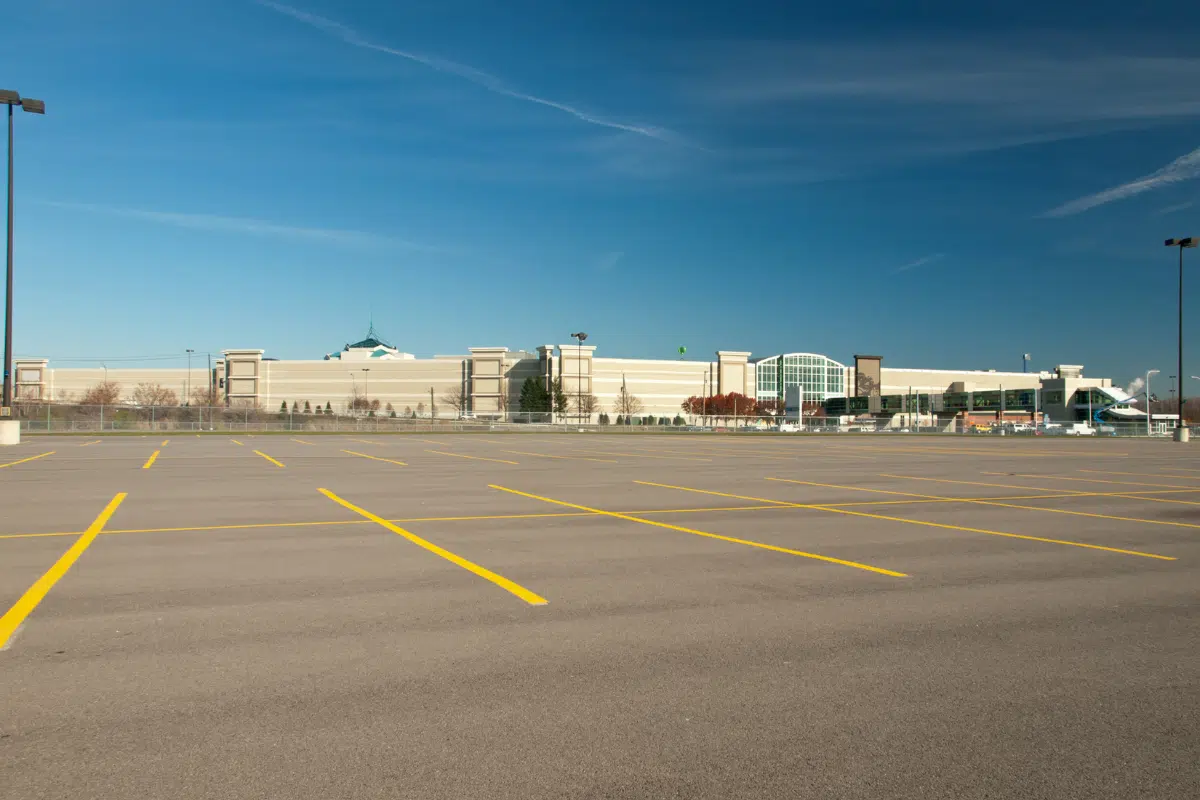
As the shopping and holiday season approaches, your business is gearing up for increased foot traffic and bustling activity. While you’re focused on stocking shelves, preparing promotions, and enhancing customer service, one critical aspect that shouldn’t be overlooked is your parking lot. An uneven or damaged parking lot can not only detract from your business’s curb appeal but also pose a safety hazard to your customers. At FoamWorks, we specialize in concrete leveling and lifting, ensuring your parking lot is smooth, safe, and ready for the busy season ahead. Let’s explore why parking lot leveling is essential and how it can help your business shine during the holidays.
Why Parking Lot Leveling Matters for Your Business
Your parking lot is often the first impression customers have of your business. Cracked, uneven, or sunken areas can make that first impression a negative one. A well-maintained parking lot, on the other hand, not only looks professional but also shows that you care about your customers’ safety and experience. Here’s why you should consider parking lot leveling before the holiday rush:
- Enhanced Safety: Uneven surfaces can be a tripping hazard for pedestrians and a risk for vehicle damage. By leveling your parking lot, you minimize these risks, ensuring a safer environment for your customers and employees.
- Improved Accessibility: A smooth parking lot is crucial for accessibility, particularly for those with mobility challenges. Leveling ensures that everyone, including customers using wheelchairs or strollers, can navigate your parking lot without difficulty.
- Increased Curb Appeal: A clean, level parking lot significantly boosts your business’s curb appeal, creating an inviting atmosphere that attracts customers and keeps them coming back.
- Prevention of Further Damage: Addressing uneven surfaces early can prevent further deterioration that could lead to more extensive and costly repairs down the line.
How FoamWorks Can Help: Our Parking Lot Leveling Process
At FoamWorks, we use advanced concrete leveling techniques to address uneven surfaces in your parking lot. Our process is quick, effective, and designed to minimize disruption to your business operations:
- Assessment: We start with a thorough assessment of your parking lot, identifying areas that need leveling and determining the best approach for the job.
- Injection: Using a specialized polyurethane foam, we inject the material beneath the sunken concrete. The foam expands, filling voids and lifting the slab back to its original position. This process not only levels the surface but also stabilizes the underlying soil, preventing future settling.
- Finishing: Once the concrete is level, we patch the small injection holes, leaving your parking lot ready for immediate use. The foam cures quickly, so there’s minimal downtime—perfect for busy businesses gearing up for the holiday season.
Why Choose FoamWorks for Your Parking Lot Leveling Needs?
With numerous concrete leveling options available, why choose FoamWorks? Here’s what sets us apart:
- Speed and Efficiency: We understand that time is money, especially during the holiday season. Our leveling process is designed to be quick, often completed in just a few hours, with minimal disruption to your daily operations.
- Durability: The polyurethane foam we use is lightweight, yet incredibly strong and resistant to moisture, pests, and erosion, ensuring a long-lasting solution for your parking lot.
- Environmentally Friendly: Our foam is eco-friendly and non-toxic, making it a safe choice for your property and the surrounding environment.
- Experienced Team: With years of experience in concrete leveling, our team is dedicated to delivering high-quality results and exceptional customer service.
Get Ahead of the Holiday Rush
As the holiday season approaches, the last thing you want is a parking lot that turns customers away. Investing in parking lot leveling now can save you headaches later, providing a safe, smooth, and welcoming environment that enhances your customers’ shopping experience.
Imagine your customers arriving at your business, greeted by a well-maintained parking lot that reflects the care and attention to detail found inside your store. No more worrying about tripping hazards, vehicle damage, or accessibility issues. Just a seamless shopping experience from start to finish.
Ready to Level Up Your Business? Contact FoamWorks Today!
At FoamWorks, we’re here to help you make the most of the shopping and holiday season with our professional parking lot leveling services. Don’t let uneven concrete hold your business back. Contact us today to schedule an assessment, and let’s get your parking lot—and your business—ready for the busiest time of the year.


Recent Comments